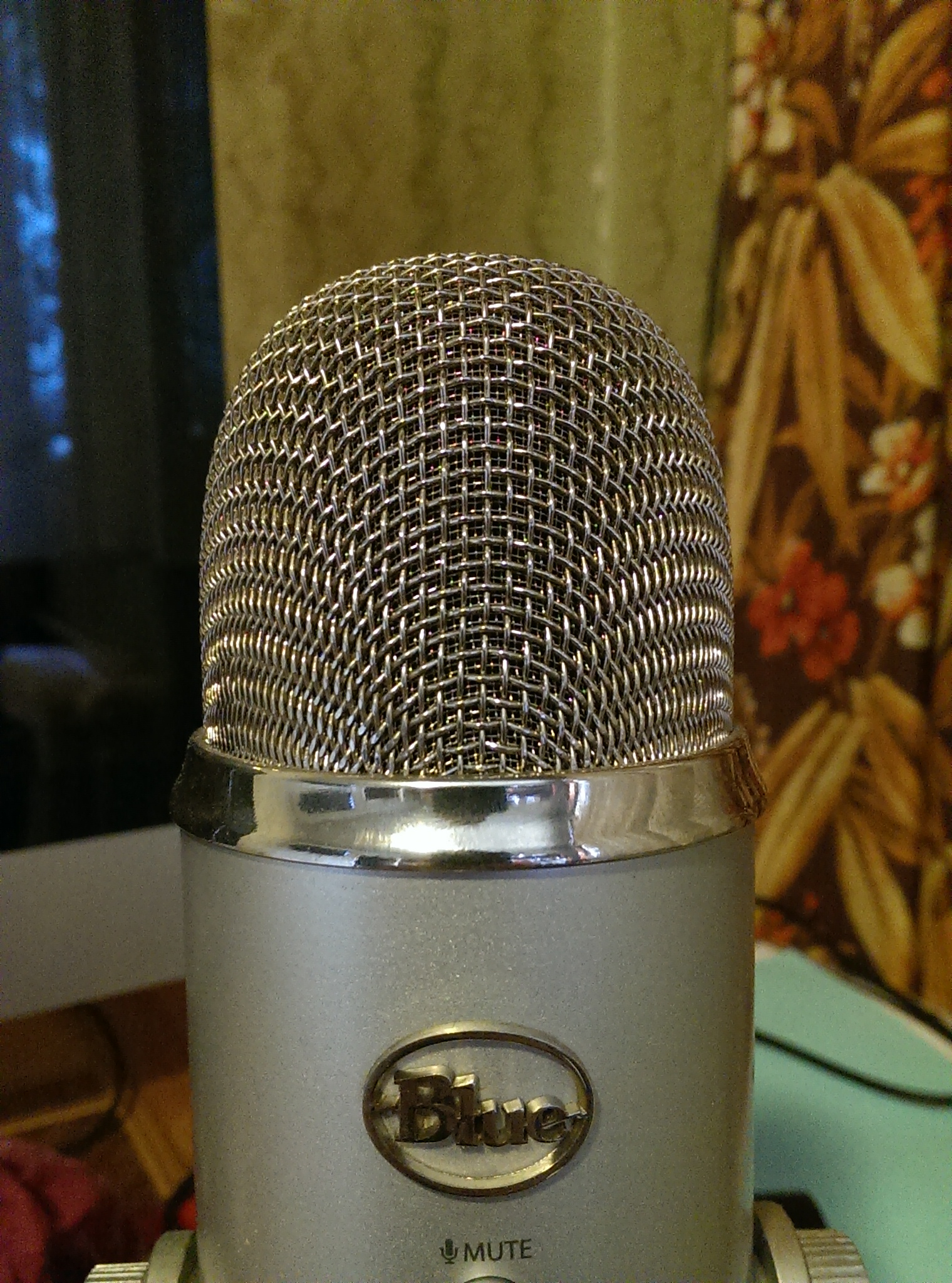
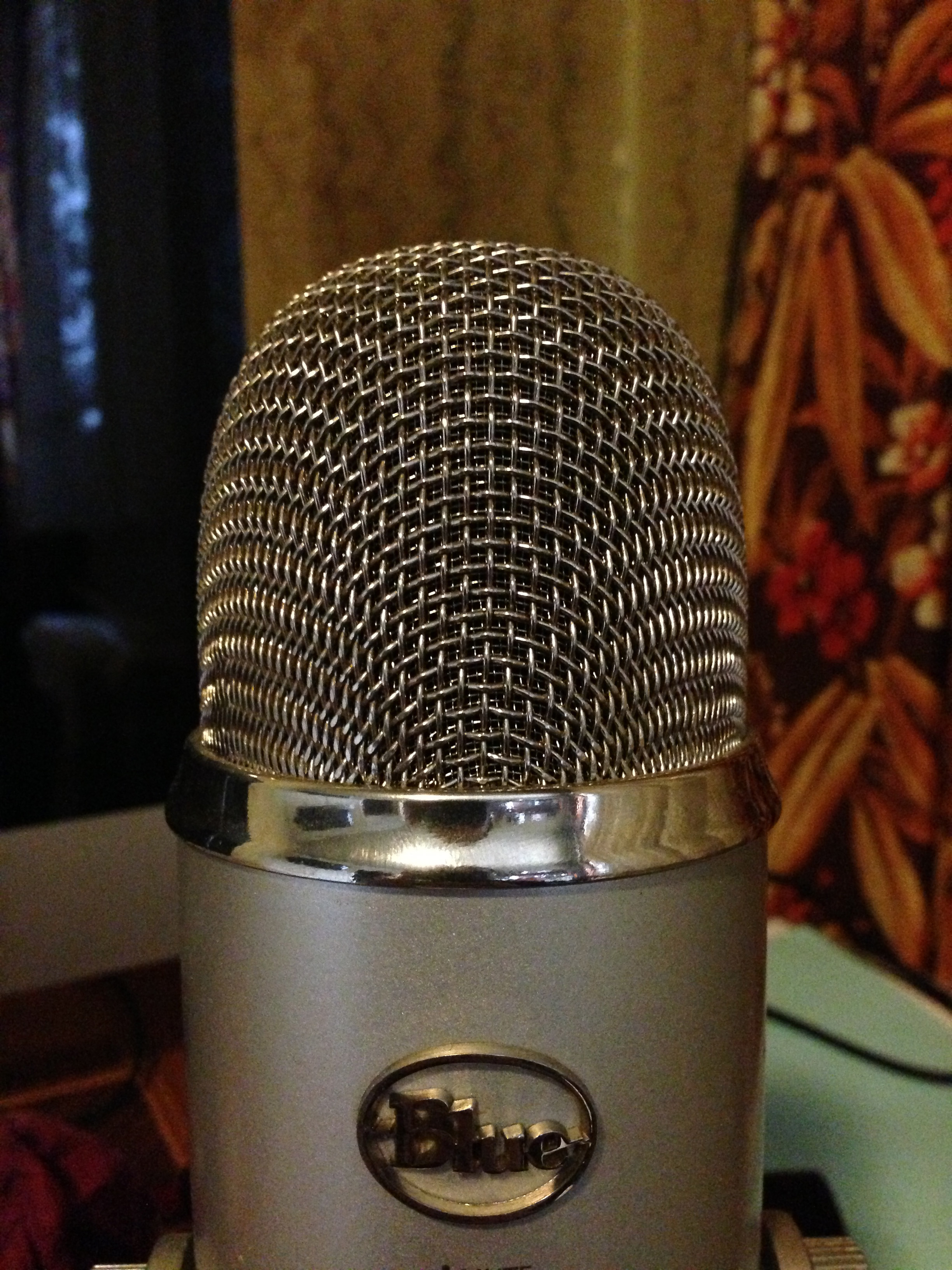
Update: By popular demand we added a side-by-side video comparison at the bottom of this post; you can check it out in addition to the raw video files.
____
We’ve recently compared the camera performance on the new HTC One with the imaging capabilities of the Verizon HTC Droid DNA, as well as the PureView on the Nokia Lumia 920 and Lumia 808 PureView. Now it’s time to stack it up against one of the best cameras on a non-PureView phone: the Apple iPhone 5.
HTC chose to be different from everybody out there: the Taiwanese company decided that they will no longer participate in the megapixel race and instead, they invented the “ultrapixel”. Basically the sensor on the HTC One features larger pixels for better low light sensitivity and, on paper, better overall camera performance. Clarity, contrast, detail, and light, these are the advantages called out by HTC on their official camera feature presentations. The downside? Images max out at four megapixels which is more than enough for most users out there — even if you consider printing the images; however, for certain users’ specific needs and usage scenarios, these “smaller” images are not enough, especially if you want to zoom in on the picture for crops and details.
What Are Ultrapixels?
We have to understand that “ultrapixel” is just HTC’s marketing team saying that the pixels on the HTC One’s sensor are larger. Here’s how it works: the sensor on the HTC One isn’t larger than the sensors on other modern phones: 1/3.2-inch is what HTC used in the One and the same size is also present on the iPhone 5, Galaxy S III, or Lumia 920. A larger sensor means having something like the Nokia 808 PureView has with its 1/1.2 inch sensor.
Nothing extraordinary so far. However, while other 1/3.2-inch sensors pack eight-ish-megapixels on the surface, HTC only packed four-megapixels (ahem ultrapixels) there. Think of it as population density for two cities which are exactly the same in terms of surface but twice as more people live in one compared to the other.
Having less pixels per the same surface, HTC’s pixels are larger, thus, according to HTC, allowing for better light sensitivity. Just how large an ultrapixel is compared to a “regular pixel? Two-micrometers (compared to 1.4-micrometers on the iPhone 5, Galaxy S III, or Lumia 920). That’s two-thousandth of a millimeter (0.002 mm, or about 0.0000787 inches).
However, logic dictates that you sacrifice something for something in return; HTC sacrificed image size, going for a lower overall output and they hope to get the perfect still in return. Is this the case? We’re stacking the HTC One against one of the best cameras on a non-PureView phone: the Apple iPhone 5.
____
Bright Outdoors
Close-up, Natural Light
Front-Facing
High Dynamic Range (HDR)
Indoors, No Flash
Macro
Night, No Flash
Pitch Dark, Forced Flash